top of page
Search
Critical Mistakes That Ruin Your Lace Front Human Hair Wigs

Investing in premium lace front human hair wigs is one of the best beauty decisions you can make. The styling flexibility, the realistic movement of the strands, and the confidence boost they provide are unmatched. However, because lace front wigs human hair units are made from genuine human hair knotted onto a delicate mesh base, they require a specific level of care to survive the daily wear and tear.

Too often, simple, unnoticed habits end up shedding the hair, ripping the lace, or matting the texture within just a few months. If you have noticed your expensive units losing their luster, balding at the crown, or feeling stiff, you might be accidentally damaging them.

Let's dive into the five critical mistakes that ruin your lace frontal wigs human hair investments, how they happen, and the exact step-by-step methods to fix them so your hair stays flawless for years.

Scratching an Itchy Scalp

1. Scratching an Itchy Scalp Through the Mesh

We have all been there—your natural hair underneath gets a sudden, intense itch, and without thinking, you dig your fingernails or the tip of a rat-tail comb straight through the wig to scratch it.

Why It Destroys the Wig

The base of lace frontal wigs human hair is incredibly fragile. Each individual strand of hair is carefully hand-tied to a delicate Swiss or HD lace mesh using tiny micro-knots. When you scratch or poke through the lace, you do two things: you loosen those delicate knots, causing immediate and irreversible shedding, and you risk tearing the actual lace fabric. Once a hole or a bald spot forms at the front of your wig, it is incredibly difficult to repair without replacing the entire frontal piece.

The Fix

Never scratch through the lace. If your scalp is itching, it is usually a sign of dryness, product buildup, or trapped moisture beneath your wig cap.

  • The Pat Method: Gently pat or tap your head with the flat of your hand to relieve the itch without creating friction on the lace.

  • Targeted Scalp Serums: Use an applicator bottle with a long, thin nozzle to slide underneath the edge of your wig cap and apply an anti-itch, tea tree, or peppermint oil directly onto your natural scalp.

  • Keep Prep Clean: Always ensure your natural hair is completely dry before installing a wig. Braiding damp hair creates a breeding ground for bacteria and itchiness.


Over-Bleaching the Knots

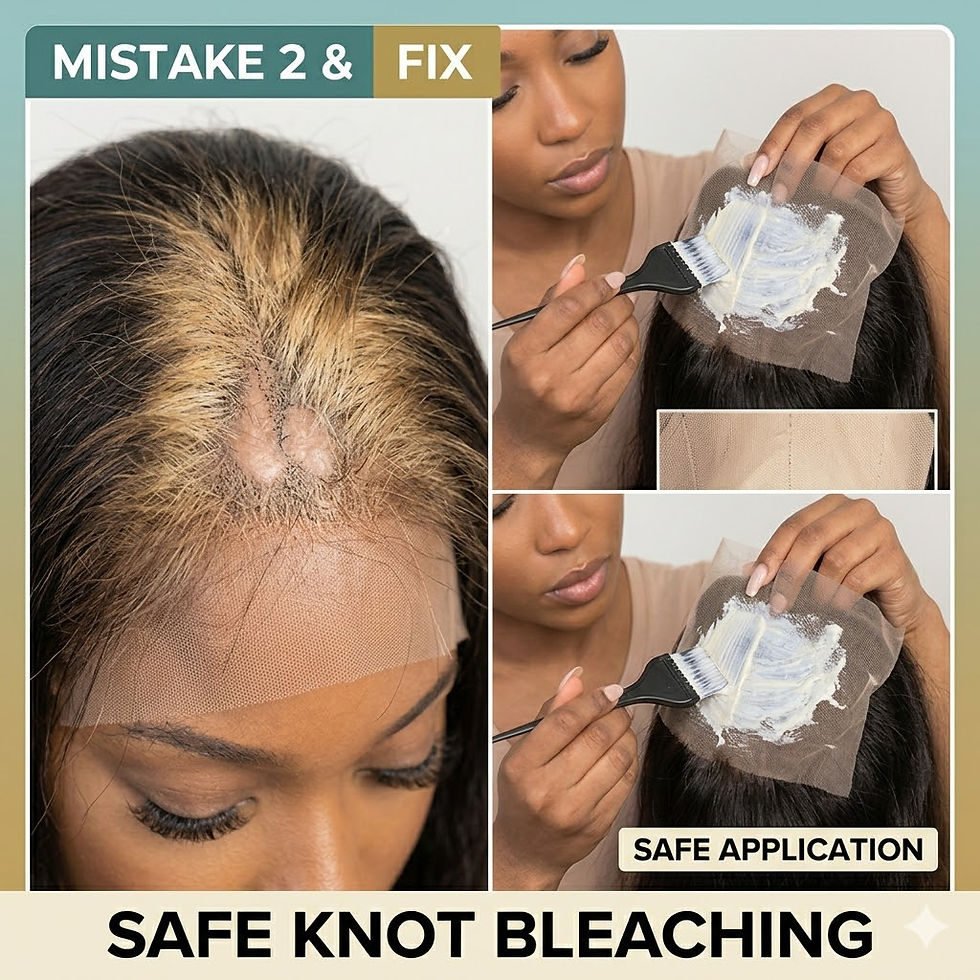
2. Over-Bleaching the Knots and Over-Plucking the Hairline

To get that highly coveted "scalp-like" look, customizing the unit is essential. However, the line between a beautifully customized hairline and a ruined frontal is very thin.

Why It Destroys the Wig

Bleaching the knots involves applying hair lightener to the underside of the lace to strip the dark pigment from the tiny knots. If you leave the bleach on for too long, or use a developer that is too strong, the chemical reaction expands and deeply weakens the hair structure right at the base. It essentially cooks the root of the hair. Within two or three washes, the hair will begin snapping off at the knot, leading to a massive bald patch. Similarly, aggressive, uneven plucking with tweezers snaps the lace threads and thins out the hair permanently.

The Fix

Approach customization with patience and moderation.

  • Keep Bleach Thick: When bleaching your knots, mix your lightener to a thick, paste-like consistency (similar to frosting). If it is too runny, it will seep through the lace holes and bleach the roots of the actual hair, causing processing damage.

  • Time It Right: Use a 20-volume developer instead of a harsh 30 or 40-volume, and never leave the bleach on for longer than 15 to 20 minutes. Keep a close eye on it.

  • Pluck Safely: When plucking the hairline to create a gradient effect, always pluck in the direction the hair falls, never hold the tweezers at an angle that catches the lace mesh, and move the tweezers around constantly to avoid thinning one spot too much.
Applying Heat Directly

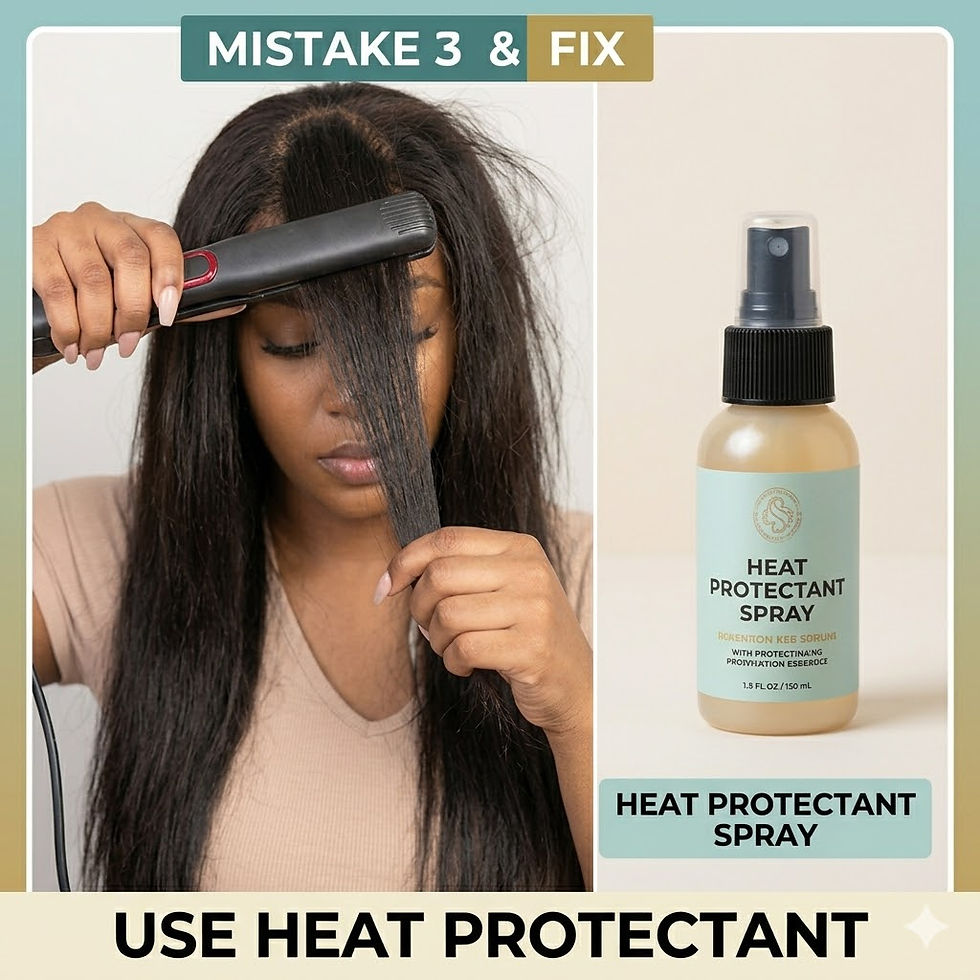
3. Applying Heat Directly to the Root and Lace

Using flat irons, curling wands, and hot combs is a great way to keep your lace front wigs human hair looking sleek and laid. However, excessive, direct heat is a silent killer for both the hair strands and the lace foundation.

Why It Destroys the Wig

When you take a hot comb at 450°F and press it firmly against the top of your wig to get it completely flat, you are exposing the tiny hand-tied knots to intenseLace Front Human Hair Wigs thermal stress. High heat can literally melt synthetic stitching threads, singe the delicate lace fibers, and dry out the human hair roots so badly that they snap. This results in dry, brittle flyaways right at your parting space, making the wig look frizzy and unkempt.

The Fix

You can achieve a completely flat, realistic lay without frying your unit.

  • Lower the Temperature: Turn your hot tools down. Human hair extensions do not receive continuous moisture from a natural scalp, meaning they burn much easier. Keep your tools between 300°F and 350°F.

  • Use a Heat Protectant: Always spray a lightweight thermal protectant over the hair before styling.

  • The Scarf Method: Instead of relying entirely on a hot comb to flatten the top of your wig, apply a small amount of lightweight styling mousse, comb the hair into place, and tie it down firmly with a silk or satin wrap scarf for 15 minutes while it air-dries.

4. Using Heavy Oils, Greases, and Alcohol-Based Products

It is natural to want to care for your human hair wig the same way you care for the hair growing out of your head. However, using heavy pomades, thick hair greases, or alcohol-heavy styling products will quickly ruin the unit.

Why It Destroys the Wig

Heavy products weigh the hair down, causing it to lose its bounce, body, and natural movement. Because a wig doesn't have a way to wash out oils naturally, grease builds up on the hair shaft and traps dirt, sweat, and old adhesive. This leads to severe tangling, matting, and a dull, stringy appearance. On the flip side, using products with high alcohol content (like cheap hairsprays or styling gels) strips the processing moisture completely out of the hair, turning a soft texture into a dry, straw-like mess.

The Fix

Switch to lightweight, salon-grade products formulated for processed hair extensions.

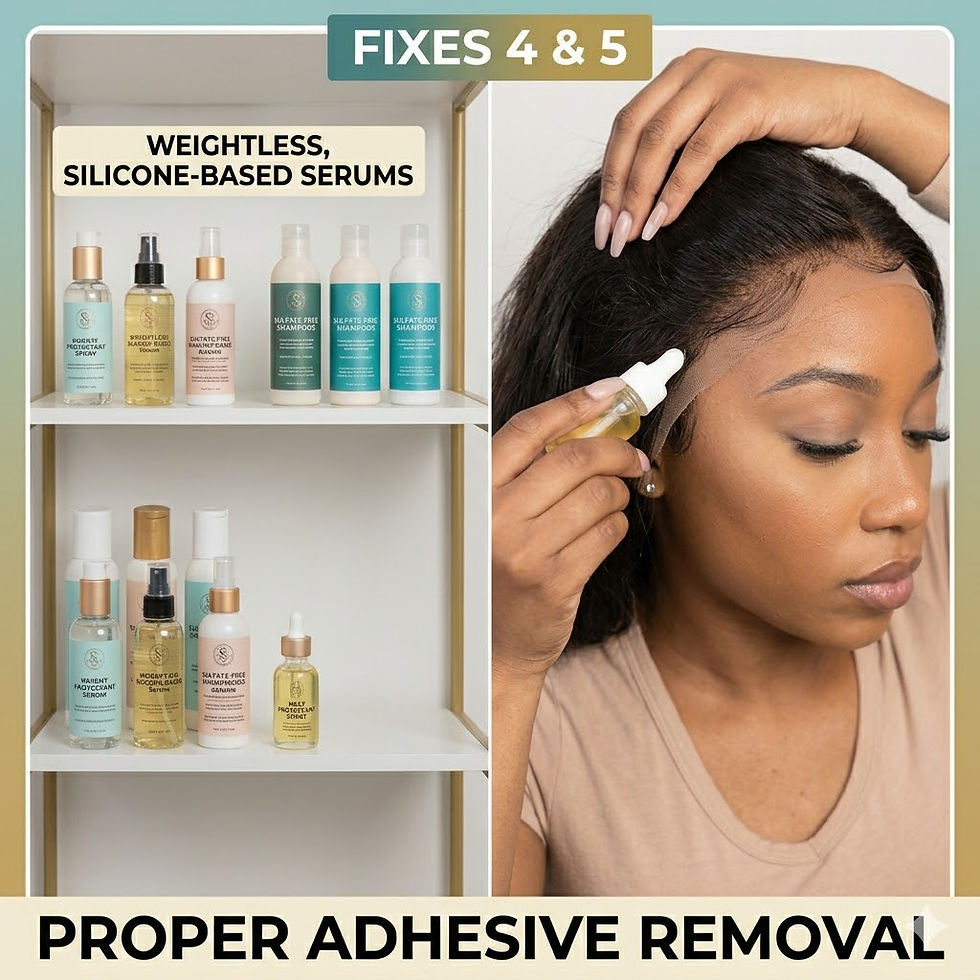
  • Less Is More: Keep your daily routine simple. A tiny, dime-sized drop of a high-quality, silicone-based hair serum is all you need to seal moisture into straight wigs or body wave textures.

  • Focus on Moisture: Wash your wig with sulfate-free, moisturizing shampoos and deep-conditioning treatments. When rinsing out conditioner, always use cool water to lock the hair cuticles flat.

  • Specialty Care for Textured Wigs: If you are rocking textured or human hair afro wigs, avoid heavy gels to define the curls. Instead, use a lightweight leave-in conditioner spray mixed with water and a dollop of alcohol-free curl mousse to keep the afro-textured coils soft, defined, and voluminous without getting crunchy.
Ripping the Wig Off During Removal

5. Ripping the Wig Off During Removal

After a long day or week of wearing your unit, it is incredibly tempting to just grab the lace and pull the wig off your head. This is perhaps the fastest way to completely destroy an expensive install.

Why It Destroys the Wig

Whether you use layers of freeze spray, traditional lace glue, or melting tapes, these adhesives are designed to form a powerful bond with your skin. Forcing the wig off without properly breaking down that bond will stretch out the front of the lace, warp its shape, tear the delicate mesh, and pull the hair strands right out of the perimeter. Even worse, it will pull out your natural edges and cause severe damage to your actual skin line.

The Fix

Always use a dedicated adhesive remover or a safe DIY breakdown method.

  • Use a Dedicated Remover: Spray a generous amount of an oil-based lace glue remover or a 91% isopropyl alcohol solution along the glued perimeter.

  • Let It Sit: Give the product 2 to 3 minutes to actually dissolve the adhesive. You will know it is ready when the lace begins to lift away from your skin on its own without any tugging.

  • Clean the Lace Immediately: Once the wig is off, gently wipe away any leftover gooey residue from the lace using a microfiber cloth and rubbing alcohol. Leaving old glue on the lace causes it to cake up, turning the front of your wig a ghostly gray color during your next install.

Pros, Cons & Frequently Asked Questions

To give you a quick reference guide on managing lace front units effectively, let’s break down the essential balance of owning these pieces alongside answers to common maintenance concerns.

The Reality of Lace Front Human Hair Wigs

  • Pros: Offers an incredibly natural, seamless look that mimics a real hairline; highly versatile styling options (can be parted in multiple directions at the front); lightweight, breathable, and comfortable for extended wear.

  • Cons: Requires consistent, delicate maintenance; higher upfront cost compared to traditional closure wigs; customization can easily go wrong if rushed.

FAQ: How often should I wash my lace front human hair wig?

If you wear your wig daily, you should wash it every 10 to 14 days. Washing it too frequently will strip the hair of its remaining moisture while neglecting to wash it allows product buildup to cause tangling and matting.

FAQ: Can I sleep in my lace front human hair wig?

While it is best to remove your wig at night to preserve the lace, if your unit is glued down, you can sleep in it safely. Always detangle the hair, braid it into a couple of loose sections, and secure it inside a silk or satin bonnet, wrapping the perimeter with a satin edge scarf to keep the lace from lifting due to friction against your pillowcase.

FAQ: Why is the lace on my human hair afro wigs stiff and visible?

Human hair afro wigs often require specific styling products to maintain their beautiful kinky-curly volume. If the lace looks stiff or visible, it is likely because heavy curl creams or holding gels have migrated onto the mesh. Keep your styling products focused on the mid-lengths and ends of the hair, and clean the lace frontal area with warm water and a soft toothbrush after styling.


Beautiful Lace front human hair wigs

Conclusion

Lace front human hair wigs are beautiful, long-lasting investments, but they are only as good as the care you provide. By protecting the delicate lace base from sharp scratching, pacing yourself during the customization process, using low heat settings, selecting lightweight products, and taking your time during removals, you can easily double or triple the lifespan of your units. Treat your lace with gentle hands, keep the hair properly hydrated, and your wigs will continue to deliver a flawless, natural melt look every single time you put them on.


Easy, Glueless Units to Pack for Your Next Trip

Vacation season is finally here, and the last things you want to pack in your suitcase are heavy styling tools, five different edge control gels, and the constant anxiety of your hairline lifting while you are lounging by the beach or exploring a new city. When you are traveling, time is precious. You want to spend it making memories and taking stunning photos, not spending two hours in front of a hotel mirror trying to get a flawless melt.


Enter the ultimate travel hack: the glueless installation. Specifically, using high-quality lace front wigs designed to be worn without a single drop of adhesive has completely revolutionized vacation hair. They give you the gorgeous, flowing look of a traditional install with none of the commitment or chemical damage.


In this comprehensive guide, we will unpack everything you need to know about packing the perfect travel hair. We will look at what makes these units so travel-friendly, how they compare to alternatives like Full Lace Wigs, and how to choose and maintain the ultimate glueless unit for your next getaway.


Introduction to Travel Packing
 Introduction to Travel Packing

What is a Frontal Wig and Why is it Perfect for Travel?

Before diving into your packing list, it is helpful to clarify exactly what you are shopping for. If you are new to the world of high-quality hair units, you might be wondering: what is a frontal wig exactly?

A frontal wig—more commonly referred to as a lace front wig—is a type of hair piece where strands of human hair are hand-tied into a sheer lace panel that spans across the entire front hairline, typically from ear to ear. The rest of the wig cap is constructed from a more durable, machine-sewn material with tracks.

This design gives you the absolute best of both worlds:

  • Natural Parting Freedom: You can part the hair anywhere along the front lace section (usually 13x4 or 13x6 inches), allowing for deep side parts, middle parts, or half-up styles.

  • Realistic Hairline: Because the lace mimics the appearance of a natural scalp, it creates the perfect illusion that the hair is growing directly from your head.

  • Easy Application: When designed as a glueless unit, it features an adjustable elastic band and internal combs, allowing you to slip it on and off in under sixty seconds.

When you are on vacation, a glueless lace front wig functions as the ultimate protective style. You can take it off at night to let your natural scalp breathe, and put it right back on in the morning before heading down to the hotel breakfast.


Structural Comparison (Lace Front vs. Full Lace)

Comparing the Options: Lace Front Wigs vs. Full Lace Wigs

When preparing for a trip, choosing the right cap construction is crucial. While shopping, you will likely come across two major categories: standard lace fronts and Full Lace Wigs. Understanding the structural differences between them will help you decide which one deserves a spot in your luggage.

The Breakdown

  • Lace Front Wigs: These feature lace solely at the front hairline. They are incredibly user-friendly, highly structured, and hold their shape beautifully even after being packed away in a travel cube. Because they require less hand-tied labor, they are also more budget-friendly, leaving you with more spending money for your excursions.

  • Full Lace Wigs: These units feature a base made entirely of lace. This means you can part the hair absolutely anywhere on the head, pull it up into a high, seamless ponytail, or rock intricate braided styles. While they offer unparalleled versatility, they are much more fragile, require more careful handling, and almost always require glue or tape to lay flat around the entire perimeter of your head—making them less ideal for quick, low-maintenance vacation changes.

For most travelers, a glueless lace front is the clear winner. It gives you the flawless front view you want for photos without the high-maintenance upkeep of an all-lace base.


The Mechanics of the Glueless Attachment

The Ultimate Vacation Checklist: What to Look For

Not every wig is built for travel. To ensure your hair remains effortless throughout your trip, look for these specific features when selecting your unit:

1. Pre-Plucked and Pre-Cut Lace

Save yourself the stress of packing tiny fabric scissors and tweezers. Look for "wear-and-go" units that come with a pre-plucked natural hairline and pre-cut HD or transparent lace.

2. Low-Maintenance Textures

While bone-straight hair looks incredibly chic, it requires constant flat-ironing, especially in humid or tropical climates. For vacations, wavy textures (like body wave) or curly textures are highly recommended. If a curly unit gets wet or hit by humidity, it simply gets bigger and more voluminous, rather than frizzy and limp.

3. Breathable Cap Construction

Sweating is inevitable if you are traveling during warmer months. Ensure the back of the wig cap is made of breathable, ventilated mesh rather than thick, heavy fabrics.


Weighing the Options: Pros, Cons, and Traveler FAQs

To give you a completely transparent look at using glueless units for travel, let’s dive into the major advantages, potential drawbacks, and the questions most travelers have before boarding their flight.

The Pros & Cons of Traveling with Glueless Units

The Pros:

  • Time-Saving: You can completely skip the hours spent sitting in a stylist's chair before you leave, or the long morning routine in your hotel.

  • Scalp Health: Being able to remove the unit daily means you can wash, moisturize, and care for your natural hair after swimming or sweating.

  • Security: Modern glueless units utilize thick, adjustable elastic bands that grip the circumference of your head securely, ensuring it won't slip even on a windy boat ride.

The Cons:

  • Styling Limitations: Unlike a full lace unit, you cannot wear a standard lace front in a very high, slicked-back ponytail without exposing the tracks in the back.

  • Wind Sensitivity: Because there is no adhesive holding the sides down, an intense gust of wind could potentially lift the ear tabs if the elastic band isn't adjusted tightly.


Frequently Asked Questions (FAQs)

Q: Can I wear my lace front wig while swimming in the ocean or pool?

A: It is generally not recommended to swim in a completely glueless unit, as a strong wave or pool splash can shift the wig off your head. Furthermore, chlorine and saltwater can heavily dry out human hair. If you plan to get in the water, it is best to slip your unit off and rock a cute swim cap, or put your natural hair into protective cornrows for the day.


Q: How should I pack my units in my suitcase so they don't get ruined?

A: Never throw your units loosely into your bag. Instead, gently detangle the hair, apply a small amount of serum, and place the wig inside a soft satin or silk storage bag. Once you arrive at your hotel, take the wig out, give it a good shake, and hang it up or place it on a portable, collapsible wig stand to let the shape snap back.


Q: Do I need to worry about airport security TSA sensors with a wig?

A: Not at all. Thousands of people fly wearing wigs every day. The small metal clips inside some wig caps rarely set off the security scanners. In the rare event that the scanner registers something, a quick, discreet pat-down by a female agent is all it takes—you will never be asked to remove your unit.


The Low-Maintenance Vacation Melt

Conclusion

Vacation is all about relaxing, exploring, and feeling your absolute best. By investing in a high-quality, glueless lace front wig, you eliminate the stress of hair maintenance entirely. You get the benefits of a gorgeous, natural hairline, the freedom to switch up your look at a moment's notice, and the ability to care for your real hair underneath throughout your journey. Pack smart, choose a low-maintenance texture, and enjoy your trip with beautiful, worry-free hair!


Custom Coloring Your Human Hair Wigs

There is something incredibly empowering about a fresh hair color. It can shift your entire mood, complement your skin tone, and breathe new life into an older unit. However, when it comes to Human Hair Wigs, the stakes are much higher than with your natural hair. Unlike the hair growing from your scalp, a hair wig does not receive natural oils to help it recover from chemical processing. If you aren't careful, a simple color job can turn a luxury investment into a dry, tangled mess.

In this guide, we are pulling back the curtain on the professional secrets to custom coloring. You’ll learn how to achieve vibrant, salon-quality hues on your human hair wig while keeping the cuticle intact, smooth, and shiny.


 Preparation and Strand Testing
 Preparation and Strand Testing

Why Quality Matters: Starting with the Right Base

Before you even open a bottle of dye, you have to look at what you’re working with. Not all Hair Wigs are created equal. If you are trying to color a low-quality unit that has already been heavily processed or coated in silicone, the color will likely turn out patchy or damage the hair beyond repair.

For the best results, high-quality straight lace front wigs are the gold standard. Because straight wigs have a uniform cuticle direction, the color absorbs more evenly, and you can easily monitor the hair's health during the lifting or depositing phase. If the hair is "Virgin," meaning it hasn’t been dyed before, your job will be significantly easier.


Precise Lift: The Foundation

Understanding the Cuticle: The Gatekeeper of Hair Health

To color hair without damage, you have to understand the cuticle. Think of the cuticle as the protective "shingles" on a roof. When you dye hair, you are essentially forcing those shingles to open so the color can enter.

The "secret" to preventing damage is ensuring those shingles don't stay open or break off. When the cuticle is blown out, your human hair wig loses its ability to hold moisture, leading to the dreaded "straw" texture.

1. Preparation: The "No-Wash" Rule

Contrary to popular belief, you shouldn't wash your hair wig immediately before coloring unless it has heavy product buildup. The natural state of the hair—or even a light layer of natural-mimicking oils—can provide a tiny bit of a buffer. However, do ensure the hair is completely dry and detangled. Any knots in your straight wigs will create "hot spots" where the dye saturates unevenly.

2. Choosing the Right Developer

This is where most DIY enthusiasts go wrong. Many box dyes come with 30 or 40-volume developers, which are much too harsh for Human Hair Wigs.

  • 10-Volume: Best for depositing color or going darker. It is the gentlest on the cuticle.

  • 20-Volume: Standard for lifting 1–2 levels or covering stubborn grays.

  • Avoid 30/40 Volume: These act too quickly and can "eat" through the delicate lace on straight lace front wigs or fry the hair fibers.

3. The Watercolor Method vs. Traditional Brushing

If you want to avoid over-processing, the "watercolor method" is a fantastic secret. This involves dipping the human hair wig into a basin of hot water mixed with a semi-permanent dye. Because semi-permanent dyes don't require developers, they coat the hair rather than forcing the cuticle open. This is perfect for refreshing a color or adding a tint without any chemical damage.


Custom Color Placement

Step-by-Step: The Professional Coloring Process

If you are committed to a permanent color change, follow this professional workflow to maintain the integrity of your hair wig.

Protect the Lace

Before the dye touches the hair, apply a thick layer of styling gel or a specialized lace protector to the inside of the lace on your straight lace front wigs. If dye seeps into the lace, it will stain the "scalp" of the wig, making it look unnatural.

Sectioning for Success

Treat your straight wigs like a professional canvas. Section the hair into four quadrants. This ensures that you aren't rushing to apply the dye before the first section has already finished processing.

The Application

Start from the bottom and work your way up, staying about half an inch away from the lace knots. The knots are delicate; getting bleach or dye on them can cause the hair to shed prematurely.

The "Cool Down"

Once the color has reached the desired shade, rinse with cool water. Hot water keeps the cuticle open, while cool water helps it snap shut, locking in the pigment and the shine.


Expert Insights: Maintaining the Look

Once your human hair wig is colored, the work isn't over. Colored hair requires a different level of maintenance.

  • pH Balancing: Use a post-color treatment or a simple apple cider vinegar rinse (diluted) to restore the hair's pH balance. This is the ultimate "pro secret" for a smooth cuticle.

  • Sulfate-Free is Non-Negotiable: Sulfates are detergents that will strip your custom color in two washes. Stick to luxury, moisture-rich formulas.

  • UV Protection: Just like your skin, the color on Hair Wigs can fade in the sun. Use a UV-protectant spray if you’re spending a day outdoors.


Pros, Cons, and Common Questions

The Pros of Custom Coloring

  • Personalization: You get a unique look that isn't available in standard "off the shelf" colors.

  • Longevity: A custom-dyed human hair wig often

  • better over time than a pre-bleached synthetic one.

  • Realism: Adding "roots" or lowlights to your straight lace front wigs makes the unit look significantly more like natural hair growing from your scalp.

The Cons to Consider

  • Risk of Shedding: If chemicals touch the knots, the wig may start to thin.

  • Permanent Change: Unlike your own hair, a wig won't grow back. Once it’s damaged, you can’t "wait for it to grow out."

FAQs

Q: Can I bleach a black wig to platinum blonde? 

A: It is risky. Most black Human Hair Wigs have already been dyed black. Lifting that much color often requires multiple sessions, which can destroy the cuticle. It is always better to start with a "613" (blonde) wig if you want bright or light colors.


Q: How often can I color my hair wig? 

A: Try to limit permanent coloring to once or twice in the wig's lifetime. For frequent changes, stick to semi-permanent rinses or the watercolor method.


Q: Why did my straight wigs become frizzy after coloring? 

A: This usually means the cuticle was damaged or the developer was too strong. A deep conditioning treatment or a silicone-based serum can help temporarily smooth the hair, but the damage is structural.


Human Hair Wigs: Healthy, Vibrant Shine


Conclusion: The Secret is Patience

The true secret to custom coloring your Human Hair Wigs without damage isn't a magical product—it's patience and technique. By using lower-volume developers, protecting the lace on your straight lace front wigs, and finishing with a pH-balancing rinse, you can enjoy vibrant, stunning hair that feels just as soft as the day you bought it.

Whether you’re a beginner or a seasoned pro, treat every hair wig with the care it deserves. After all, a high-quality hair wig is an investment in your confidence. Handle the cuticle with care, and your color will stay radiant for months to come.


© 2035 by Annabelle. Wix

LET'S TAKE IT TO THE NEXT LEVEL

Thanks for submitting!

bottom of page